Warmth comes from trapped air and dry skin, not from one thick garment. Three inexpensive layers outperform an expensive coat worn over a tee shirt.
How Insulation Actually Works
Fabric does not warm you. Air trapped within and between fabrics does, because still air is a poor conductor of heat. That is why several thin layers outperform one thick one of equivalent weight, and why a loose fitting system works better than a tight one. Compressed insulation, whether from a tight garment or from sitting against a car seat, stops working almost entirely. Moisture is the other half of the equation and the half people get wrong. Damp fabric conducts heat away from the body many times faster than dry fabric, which means sweating in cold weather is what makes you cold. A system that moves moisture away from the skin keeps you warmer than one that is simply thicker, which is the entire reason the base layer matters more than the coat.
Wind strips away the layer of warm air sitting against your outer garment, which is why an unremarkable jacket feels fine in still conditions and useless in a gale. Blocking wind is a different function from insulating, and a very light windproof shell can transform a warm but porous outfit at minimal cost.
Understanding these three mechanisms, trapped air, moisture and wind, means you can diagnose why you were cold rather than assuming you need a heavier coat. Usually the answer is one specific missing layer rather than a general lack of warmth.
Fix the Base Layer First
The layer against your skin is the cheapest and most effective upgrade available, and most people are wearing the worst possible option, which is cotton. Cotton absorbs moisture and holds it against the skin, which is exactly the failure mode described above. Replacing a cotton tee shirt with a merino or synthetic base layer makes a larger difference than adding a sweater. Merino wool is the best general option because it manages moisture well, resists odor and stays comfortable across a wide temperature range. Lightweight merino is sufficient for most urban winter use, and a thin base layer disappears under normal clothing without adding bulk. Synthetic base layers are cheaper and dry faster, with the tradeoff that they hold odor more.
The same applies to socks, which are the most common source of genuine discomfort in cold weather. Cotton socks in cold damp conditions produce cold feet regardless of footwear quality. Wool socks solve it almost entirely, and they are inexpensive enough to buy several pairs at once.
Two base layers, top and bottom, plus wool socks, cost a fraction of a coat and change cold weather comfort more than any outer garment. If you only do one thing from this article, this is the one.
Use the Mid Layer You Already Own
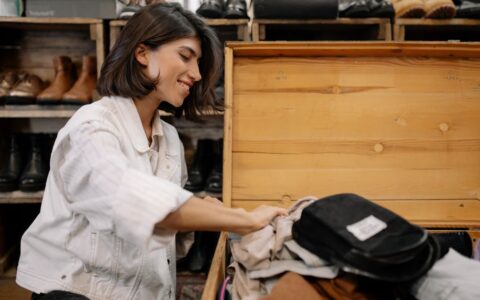
The mid layer provides the bulk of the insulation, and most wardrobes already contain several. Sweaters, fleeces, hoodies and quilted gilets all work. The useful principle is that two mid layers are better than one heavy one, because you can remove one when you move indoors, which prevents the sweating that makes you cold later. Wool and fleece are the best performers here. Both continue to insulate when slightly damp, which cotton does not, and both are available cheaply secondhand because they are durable and widely owned. A wool sweater from a charity shop or resale app is one of the best value warm layers available in any price range.
A gilet or body warmer is the single most efficient addition to an existing wardrobe. It insulates the core, where you most need it, without adding bulk to the arms, which means it fits under a coat you already own. Thin synthetic insulated gilets are inexpensive, pack down small, and extend the useful range of a light jacket considerably.
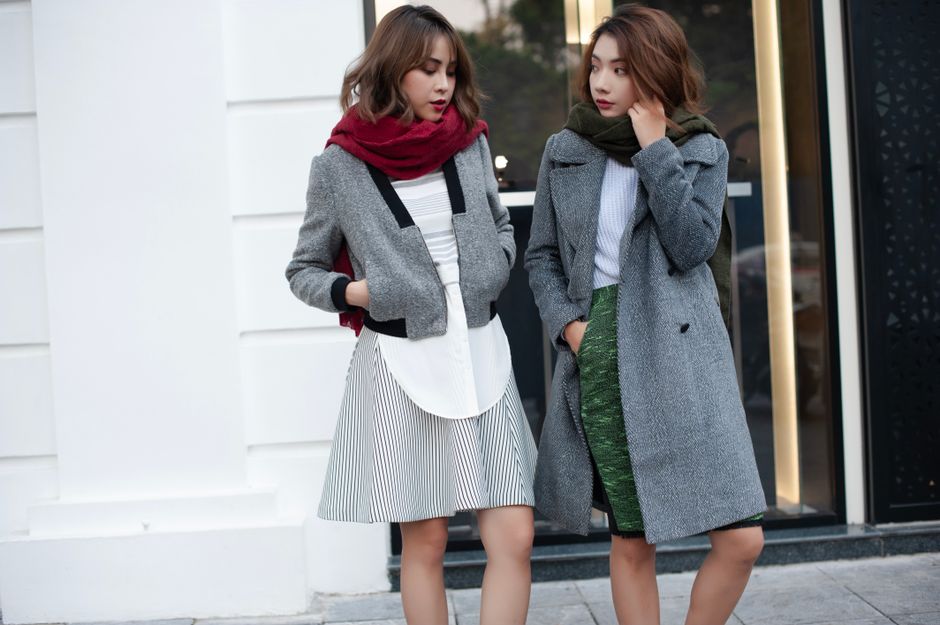
Fit matters more than people expect. A mid layer that is tight over a base layer compresses both and loses most of its value. If you are building a layered system, the outer garments need enough room for what goes underneath, which is an argument for sizing up on the outermost layer rather than buying a warmer one.
Cover the Extremities
Heat loss from the head, hands and neck is disproportionate relative to their surface area, and these are the cheapest items to address. A warm hat, decent gloves and a scarf or neck gaiter together cost very little and make a greater difference than upgrading a coat, because they close the gaps where warm air escapes. The neck is the most overlooked. A coat collar leaves a significant opening at the throat through which warm air leaves continuously, and closing it with a scarf or gaiter raises the effective warmth of the whole outfit. This is why people describe a scarf as making them feel warmer everywhere, which is literally true.
For hands, the practical choice is between dexterity and warmth. Thin liner gloves under a windproof outer glove gives you both, since you can remove the outer layer for tasks requiring fingers. Liners are inexpensive and extend the range of gloves you already own.
Footwear deserves one note. Thick socks in a shoe with no extra room compress and lose their insulation, which is why the same socks feel warmer in a boot than in a fitted shoe. If cold feet are the problem, more room matters as much as more sock.
Add a Shell Rather Than a Coat
If the layered system still fails, the missing piece is usually wind and water protection rather than insulation. A light uninsulated shell jacket worn over existing layers blocks wind and rain and costs considerably less than an insulated winter coat, while being more versatile because it works across seasons. This approach also solves the problem of indoor overheating, which is the main complaint about heavy coats in urban use. A shell plus layers can be adjusted at the door, while a single thick coat is either on or off with nothing in between.
Look for taped seams and a hood if rain is a factor, and accept that genuinely waterproof and genuinely breathable is where the cost sits. For most urban use, water resistant and windproof is sufficient and much cheaper, with an umbrella covering the rest.
The overall result is a system assembled from inexpensive parts that outperforms a single expensive garment, adapts to a range of conditions, and can be improved one piece at a time as you discover which layer is missing. That incremental quality is the main practical advantage, because you are never making a single large bet on one purchase.