A capsule wardrobe is a math problem before it is a style decision. Get the colors and the counts right and a small number of pieces covers most of your week.
Start by Counting What You Wear
Before buying anything, find out what you actually use. Turn every hanger in one direction and reverse it when you wear the item. After a month the pattern is undeniable, and for most people it shows a small core in constant rotation and a long tail that never moves. The capsule already exists. It is just buried.
That exercise also reveals why the unused items are unused, which is the more valuable information. Usually it is one of three reasons. The piece does not fit properly, it does not match anything else you own, or it suits a version of your life that is not your current one. Each of those is a buying mistake with a specific cause you can avoid repeating.
Write down the pieces in the core rotation and look for what they have in common. Color, cut, fabric weight, formality. That shared quality is your actual style, as demonstrated by behavior rather than aspiration, and it is the correct brief for anything you buy next.
Pick a Color Spine and Hold It
The reason capsule wardrobes work is combinatorial. If every top matches every bottom, ten pieces produce twenty five outfits. If half of them clash, the same ten pieces produce eight. Nothing else about the approach matters as much as this, and it costs nothing to get right.
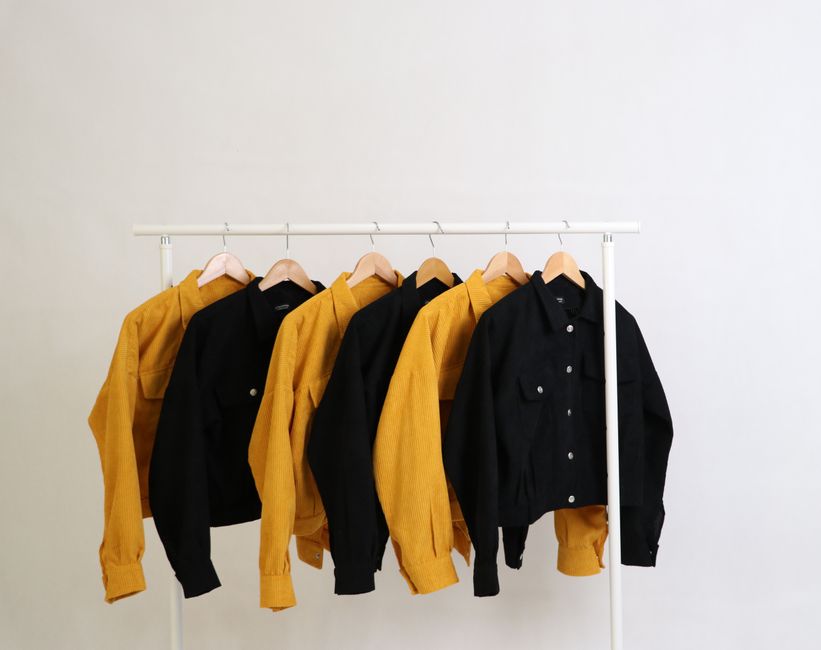
Choose two neutrals as a base, one darker and one lighter, and keep every bottom, every outer layer and every shoe inside that pair. Black and gray, navy and cream, brown and tan all work. Then allow two or three accent colors for tops and knitwear only. Accents on small pieces are cheap to replace and change easily with taste.
The discipline is in refusing the exception. A single bottom in an unrelated color drags its own set of required matches into the wardrobe and quietly becomes the item that never gets worn. When something lovely appears outside the spine, the honest question is what it will pair with, and the answer is often nothing you own.
Spend Unevenly on Purpose
Treating every garment as equally worth spending on is how small budgets get wasted. Some pieces are worn two hundred times a year and some twenty, and the money should follow the usage. Outerwear, shoes and the trousers you wear most days justify the largest share, because they take the most stress and are the most visible when they wear out.
Tops are the opposite. They are washed more often, replaced more frequently, and carry whatever trend interest the outfit has. Spending modestly here is sensible, and it is where budget retailers are genuinely competitive. A plain heavy cotton tee from an inexpensive brand can be functionally identical to one costing five times more.
Knitwear sits in the middle and rewards attention to fiber rather than price. Wool and wool blends at a mid price point will outlast acrylic several times over, resist odor, and keep their shape. This is the one category where the cheapest option is reliably a false economy, since pilling ruins the appearance long before the garment is worn out.
Build in Order, Not All at Once
A capsule assembled in a single shopping trip is usually wrong, because it is based on a plan rather than experience. Building it over several months, in a deliberate order, produces something you actually wear. Start with the bottoms and shoes in your neutral spine, since they constrain everything else. Add outer layers next. Add tops last, because they are the cheapest to adjust.
Buy one piece, wear it for two weeks, then decide what is missing. This sounds slow and it is, but the gaps it reveals are real gaps rather than imagined ones. Most people discover they need fewer pieces than any published capsule list specifies, often around twenty to twenty five items excluding underwear and gym clothes.
Use the waiting time for research. Price history on staple items is flat enough that patience pays off mainly through seasonal markdowns rather than flash sales, so a piece identified in October is often twenty to forty percent cheaper in February. The plan is what lets you wait, because you know exactly what you are waiting for.
Maintenance Is Part of the Budget
A small wardrobe is worn harder than a large one, which makes care the difference between three years and one. Washing cold, drying flat where possible, and washing less often extends garment life dramatically, and it costs nothing but habit. Most clothing is damaged by machine drying rather than by wearing.
Learn two repairs and the economics change again. Replacing a button and closing a split seam cover the majority of failures in everyday clothing, and both take minutes. For shoes, resoling a well made pair costs a fraction of replacement and is the reason spending more on footwear pays back. A cobbler is cheaper than a shoe shop.
Budget a small amount annually for alterations, because fit is the only visible difference between inexpensive clothing worn well and inexpensive clothing worn badly. Hemming trousers and taking in a waistband are cheap, quick and make a modest garment look deliberate. On a small budget that single line is the highest return spending available.