A size label is a marketing decision, not a measurement. Once you shop by centimeters instead of letters, the return rate on clothing drops sharply.
Why Letters and Numbers Mean Nothing
There is no enforced standard for clothing sizes in most markets. Each brand builds its patterns around a fit model, and that model changes between brands, between product lines within a brand, and over time as the target customer shifts. A medium from one label can be two full sizes away from a medium somewhere else, and both are correct according to their own charts.
The gap widens further between regions. European, American, British and Asian sizing systems all use different base measurements, and conversion tables on listings are approximations at best. An item manufactured for one market and sold into another often carries a converted label that the garment itself does not match. This is the single largest cause of returns in online apparel.
The way out is to stop treating the label as information. Treat it as an index that points to a row in a table, and read the table. Every reputable listing publishes a measurement chart, and those numbers are the actual product specification. Everything else is naming.
Measure Yourself Once, Properly
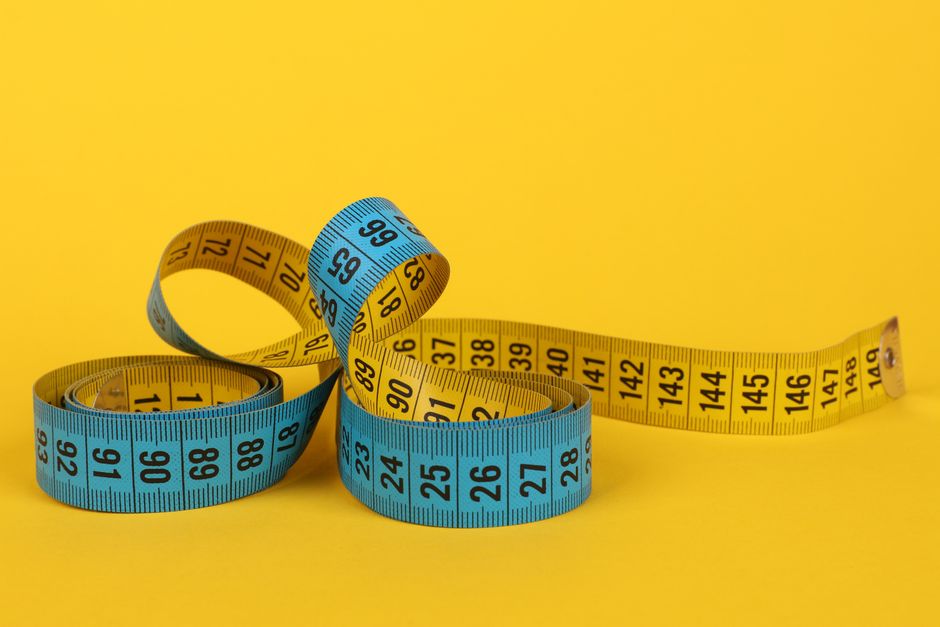
Four measurements cover most clothing decisions. Chest or bust at the fullest point, natural waist at the narrowest, hips at the widest, and inside leg from crotch to ankle. Take them with a soft tape, over light clothing, without pulling tight. Write them in a note on your phone in both centimeters and inches, since listings use either.
Add two more if you buy a lot of tops and outerwear. Shoulder width, measured across the back from one shoulder point to the other, and sleeve length from shoulder point to wrist. Shoulders are the measurement that cannot be altered cheaply, which makes them the one most worth matching exactly on structured garments like blazers and coats.
Do this once a year rather than once ever. Bodies change, and an outdated number produces exactly the same problem as a mislabeled garment. Ten minutes annually removes most of the guesswork from every clothing purchase you make for the following twelve months.
Compare Garment Measurements, Not Body Measurements
Charts come in two kinds and the difference matters enormously. A body measurement chart tells you which size to pick for a body of your dimensions, with ease already built in. A garment measurement chart tells you the flat dimensions of the item itself, which will be larger than your body for anything that is not meant to be skin tight.
If the chart gives garment measurements, you need to add ease yourself. For a relaxed shirt, four to six inches more than your chest measurement is comfortable. For a fitted shirt, two to three. For a coat worn over a sweater, six to eight. Getting this wrong in either direction is the reason a garment that matched your measurement exactly arrived either tight or tent like.
When a listing does not say which kind of chart it is, the numbers themselves usually tell you. A chart where the medium chest reads thirty eight inches is describing a body. One where it reads forty four is describing a flat garment. If you cannot tell, the measurement of a similar item already in your wardrobe is a better reference than either.
Fabric Decides How Much Precision You Need
Stretch forgives error. A jersey knit with elastane will fit across a range of two sizes, which means an imperfect choice still works. A woven cotton shirt with no stretch will fit one size and look wrong in the others. Reading the composition before you choose a size is as important as reading the chart.
Look for the percentage, not just the presence. Two percent elastane adds comfort and recovery but very little size tolerance. Five percent or more produces genuine flexibility. Fabrics described as rib, scuba or ponte behave as though they have more stretch than the composition suggests, because the knit structure itself gives.
Shrinkage is the other fabric variable, and it is predictable. Untreated cotton and linen will lose up to five percent in a hot wash. If a listing does not say pre shrunk or pre washed, assume it will shrink and size accordingly, or commit to washing cold. Reviews mentioning that an item fit perfectly and then did not are describing shrinkage rather than sizing.
Use Reviews as a Correction Factor
Review sections are the most reliable size data on any listing, because they come from people who received the actual garment. Many sites now summarize this directly with a runs small or runs large indicator, which is worth more than the chart when the two conflict. If a hundred people say to order up, order up.
Read the reviews that include a height and a size, since those let you calibrate against someone comparable. A note saying it fit a certain height and build is specific enough to act on, while a review saying it fits great is not. Photographs from customers are better still, because they show how the garment actually drapes rather than how it was styled and pinned for the product shot.
Where reviews are absent, buy from sellers with free returns and order two sizes deliberately. That sounds wasteful but it is the standard approach for anyone who buys a lot of clothing online, and it costs nothing when returns are free. Keep the one that fits, send back the other, and record the result in your note so you never have to guess at that brand again.