Cost per wear is the only honest way to compare a cheap garment with an expensive one. The arithmetic is simple and it frequently reverses the answer.

The Calculation and Why It Works
Divide the price by the number of times you will wear the item. A twenty dollar top worn five times costs four dollars per wear. An eighty dollar top worn eighty times costs one dollar. The second is four times cheaper despite costing four times more, and this is not a trick of framing but the actual cost of owning each one.
The reason the calculation is powerful is that it forces an honest estimate of use, which is the variable people systematically get wrong. Most unused clothing was bought with a genuine intention to wear it, and the intention was simply not realistic. Writing down a number before buying makes the optimism visible.
Use conservative estimates and track a few items to calibrate. People are usually accurate about staples and wildly optimistic about occasion pieces and trends. If an honest number for a dress is three wears, the price has to be very low to make sense, and often the right answer is renting or borrowing instead.
Where Fast Fashion Genuinely Wins
The approach is not an argument against inexpensive clothing. There are categories where it is clearly the right choice, and the calculation shows why. Anything whose appeal is tied to a trend has a short life by definition, and paying for construction you will not use is waste rather than quality.
Testing a style is the strongest case. If you are unsure whether a silhouette suits you, the cheap version answers the question for a small amount of money. Wear it a few times, learn something about your own preferences, and either upgrade or move on. That is a reasonable twenty dollars regardless of how long the garment lasts.
Items worn rarely by their nature also favor low cost. A costume, a single event outfit, something for a specific trip. Durability has no value where use is low, and spending on it is spending on a feature you will never consume. The error is applying this logic to everyday clothing, where it reverses entirely.
Where It Loses Badly
Anything worn weekly is a durability purchase, and cheap construction fails on exactly the dimension that matters. Jeans, everyday footwear, outerwear and the three or four tops in constant rotation accumulate hundreds of wears and wash cycles. At that volume, construction is the whole product.
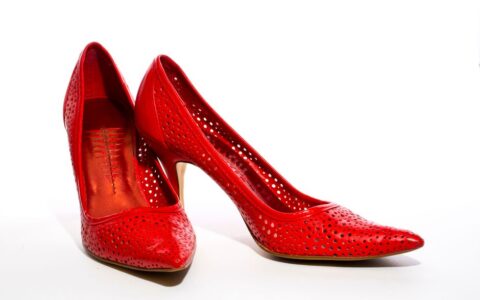
Shoes are the clearest case because failure is visible and total. An inexpensive pair with a glued sole cannot be repaired, which means its life ends at the first structural failure, often within a year of regular wear. A welted or stitched sole can be replaced several times for a fraction of the original price, which spreads the cost across many years.
Outerwear compounds the same logic with weather. A coat is worn most days for several months a year, and a cheap one loses its shape, its water resistance and its warmth across a single season. Replacing it annually costs more in three years than one good coat that lasts ten, and the intervening winters are less comfortable.
Hidden Costs That Belong in the Number
Replacement frequency is the obvious one, but there are others. Dry cleaning adds a recurring charge that can exceed the purchase price of an inexpensive garment within a year. Alterations, if needed to make something wearable, belong in the purchase cost rather than being treated as separate.
Storage is a real cost in a small home, and a wardrobe of rarely worn cheap clothing consumes space that has value. So does decision time. A closet with forty items you do not like takes longer to use every morning than one with twenty you do, and that friction is part of what you paid for.
Returns and failed purchases round out the picture. If a brand’s sizing is inconsistent enough that one in three orders goes back at your expense, the effective price of what you keep is higher than the label. Tracking this for a few months usually identifies one or two retailers that are costing more than they appear to.
Using the Number as a Buying Rule
Set a cost per wear ceiling and apply it. A dollar per wear is a demanding but achievable standard for everyday clothing and leads to a wardrobe of fewer, better used items. Two or three dollars is a reasonable allowance for occasion pieces. Anything above five is a signal to rent, borrow or skip.
Run the number at the point of decision, not afterward. Standing in front of a listing and estimating wears honestly is uncomfortable, which is precisely the mechanism that makes it work. Most impulse purchases do not survive the question, and the ones that do tend to be good decisions.
Revisit the estimates occasionally against reality. The reversing hanger trick, or simply noticing which items are in the laundry most often, tells you which guesses were right. Over a year this builds a reliable sense of your own patterns, and the estimates stop being guesses at all.
The side effect most people report is buying less overall rather than buying more expensively. Once the number is in front of you, a large share of purchases simply stop looking appealing, and the wardrobe that results is smaller, more worn and cheaper to run than the one it replaced.