Clothing quality is judged mostly from a few visible details. Accessories are where a small budget buys the largest change in how an outfit reads.
Why Accessories Carry So Much Weight
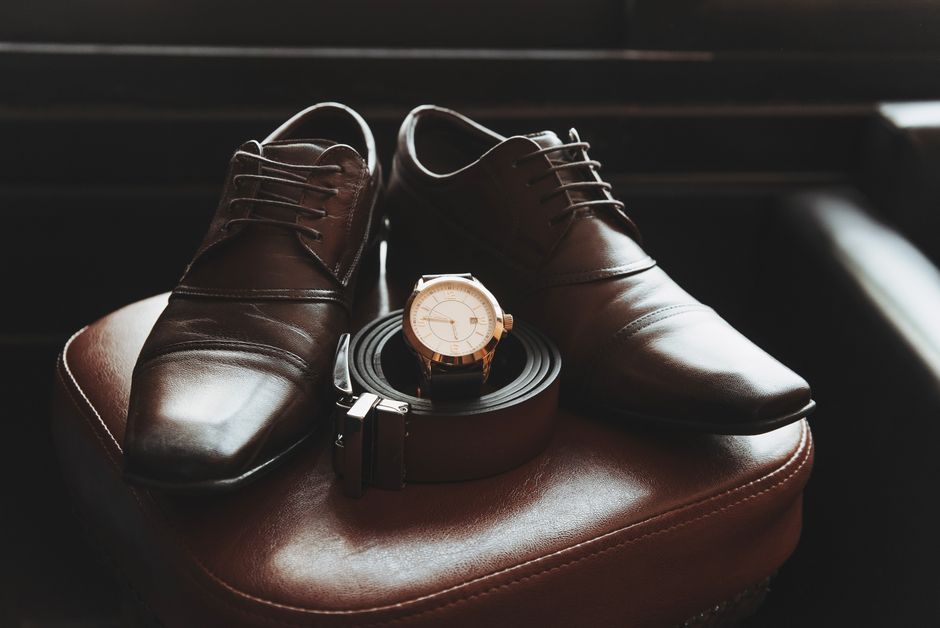
People assess an outfit from a handful of focal points, and most of them are not the garment. Shoes, bag, belt, watch and the fit at the shoulder and hem account for the majority of the impression. That is useful information when the budget is limited, because it means concentrating money on four small items produces a better result than spreading it across a wardrobe of mid price clothing. The reason is partly that accessories do not need to fit. A belt, a bag and a watch work regardless of body shape, which means quality in those categories is accessible at any size and can be bought secondhand without fit risk. Clothing quality, by contrast, is only visible when the fit is right, which is why an expensive garment in the wrong size looks worse than an inexpensive one that fits.
Accessories also last far longer than clothing. A leather belt or a well made bag survives a decade of use, which spreads the cost across so many wears that the per use price is negligible even on a relatively expensive item. This is the opposite of trend driven clothing, where the item is retired long before it wears out.
The practical consequence is a reallocation rather than extra spending. Buying fewer garments and putting the difference into three or four accessories produces a noticeably better result at the same total cost.
Shoes Do Most of the Work
Footwear is the single most visible quality signal in any outfit, and the one where cheapness shows most clearly. Shape is the main tell. Inexpensive shoes tend to have a rounder, bulkier silhouette because the lasts are cheaper to produce, while better shoes have a cleaner line. That difference is visible across a room in a way that fabric quality is not. Condition matters as much as cost. Clean, polished shoes with intact heels read as expensive almost regardless of price, while scuffed shoes with worn down heels undermine an otherwise good outfit. A small investment in polish, a brush and occasional heel tips returns more than upgrading the shoes themselves.
Color discipline is the cheap lever. Keeping footwear within the two neutrals that govern the rest of your wardrobe means every pair works with everything, which lets you own fewer and better pairs. Two good pairs in the right colors outperform five mediocre ones in assorted shades.
Secondhand is particularly strong here for well made shoes, because quality construction can be resoled and because shoes are frequently sold barely worn. Checking the heel counter and the sole condition is the same assessment regardless of whether the pair is new.
Bags, Belts and the Metal Details
Hardware is where budget accessories reveal themselves. Thin, lightweight, brightly plated metal on a buckle or a zip pull reads as cheap immediately, while heavier, matte or antiqued finishes read as expensive. This is one of the few quality signals that is clearly visible in product photographs, which makes it easy to assess before buying. For bags, structure matters more than material. A bag that holds its shape when set down looks considerably better than a slouching one, regardless of what it is made from. Lining and internal finishing are a reasonable proxy, since a bag with a proper lining was more expensive to make. Simple shapes in plain colors age better and cost less than detailed ones, because the detail is where manufacturing cost and dating both accumulate.
Belts are the cheapest high impact purchase available. A solid leather belt with a simple buckle costs little, lasts years and visibly improves trousers of any price. The common error is a belt that does not match the shoe color closely, which is a small mismatch that attracts attention precisely because it is traditional to align them.
Watches operate differently because the range is enormous and the signals are specific. A simple dial, a well proportioned case and a decent strap matter far more than brand. Replacing a cheap strap with a better one is the single highest return change available, often transforming the appearance of an inexpensive watch for a small amount.
Scarves, Knitwear and Texture
Texture reads as expensive, and it is one of the few qualities available cheaply. A wool scarf, a textured knit or a felted wool hat introduces visual interest that flat synthetic fabrics do not, and the materials are affordable in small items even when they would be costly in a coat. A wool scarf is the clearest example of this principle. It costs a fraction of a wool coat, sits at the focal point near the face, and signals natural material clearly. Pairing it with a less expensive jacket produces a better overall impression than an expensive jacket with no scarf, because the scarf is nearer the eye and the material is more legible at that scale.
Layering a knit introduces the same effect. A visible ribbed collar or cuff adds depth to an outfit of plain pieces, and inexpensive knitwear in wool or a wool blend is widely available secondhand because it is durable and commonly owned.
Where texture goes wrong is in shiny synthetics, which read cheap specifically because the sheen is characteristic of low grade polyester. Matte finishes are nearly always safer at a low price point, in every category.
What to Avoid
Visible branding is the fastest way to undermine an outfit at any price, because it shifts the signal from the object to the label. Large logos on inexpensive items also invite comparison with the genuine article, which is a comparison nothing budget wins. Plain versions of the same items are usually cheaper and read better. Excessive hardware and detail follow the same logic. Multiple zips, studs, contrast stitching and decorative straps all add manufacturing steps, which on a cheap item means each is executed poorly. Simplicity is both cheaper to make well and more durable visually, which is why plain accessories in good condition hold up across years of changing fashion.
Coated and bonded materials that imitate leather are worth avoiding specifically in accessories, because accessories flex and abrade constantly. The failure is not gradual but sudden, with cracking and peeling that is highly visible. Canvas, textile and genuine leather all age gracefully by comparison, and canvas in particular is inexpensive.
The last thing to avoid is quantity. A small number of accessories in consistent colors, kept clean and repaired, does more than a drawer full of options. The impression of expense comes from coherence and condition, and both are easier with fewer items.